Dam Safety · Advanced · Online self-study

Dam Safety, Surveillance & Asset Integrity

The Challenge

Dams, headworks, and irrigation networks are built to last for generations - often far longer than the career of any one professional managing them. As staff rotate and retire, critical knowledge about a facility's condition, history, and risks can be lost in the handover. At the same time, ageing infrastructure and a growing asset base mean more facilities need expert oversight than there are experts to provide it.

Why the Programme Matters

With the Dam Safety Act now in force and DRIP II underway, there's a growing need for trained dam-safety professionals at the field level - people who can coordinate with expert committees and panels on remedial measures and supervise their implementation. Full-spectrum dam safety expertise takes years to build and is in short supply. A technically informed middle tier of professionals is required - people who understand the core issues well enough to act as the first line of defence and communicate clearly with specialists when deeper investigation is needed. This programme builds exactly that layer.

What Participants Learn

Work of this nature requires a working knowledge of the science and engineering behind these structures, how they deteriorate over decades of use, and what that means for safety. The course covers the full dam-safety lifecycle, including:

  • The science and engineering behind storage structures and water distribution networks
  • How these assets deteriorate over long years of use, and the implications for the safety of operators and downstream communities
  • Field and laboratory investigation techniques for identifying problems
  • How to document and report findings clearly enough for expert teams to act on them
  • Standard protocols and procedures for ongoing operation and maintenance

Benefits to Organisations

  • A trained pool of staff who can step in as personnel change, reducing knowledge-transfer gaps
  • Faster, more reliable reporting from the field to senior management and expert panels
  • Better coordination with the committees and panels responsible for remedial works
  • A stronger, organisation-wide view of asset condition and operational integrity across the portfolio

Modern Technologies Covered

The programme is aligned with the Dam Safety Act, the Dam Rehabilitation and Improvement Project (DRIP), and modern infrastructure management practices. Participants are introduced to current investigation and monitoring approaches used across the dam-safety lifecycle, equipping them to work alongside expert panels and committees using shared methods and terminology.

Course Format

This is the first in a series of courses that progress toward greater specialisation. It's designed to be practical and lifecycle-focused, taught by engineers with direct project delivery experience — not a purely theoretical overview.

Who Should Attend

Professionals entrusted with directly managing and maintaining irrigation and multipurpose projects -particularly those with storage headworks and associated distribution networks. This includes engineers and managers accountable for facility safety and for reporting status up to senior management.

Course at a glance

Duration

6 months

Languages

English

Outcomes

What you'll learn

The course content has been designed for fresh and practicing engineers who are involved with the dam operations, surveillance and safety assurance works and dam portfolio managers responsible for setting up dam safety programmes.

Section 1

This section will expose the participants to the following areas:

  1. Overview of dam safety aspects
  2. Legislative provisions of Dam safety- Existing and Future
  3. Overview of Basic design philosophy of dam, defence measures and features provided for safety
  4. Preparing and maintaining documentation for dam and network for safety assessment
  5. Concrete and masonry dams and canal network components
  6. Earth and rockfill dams and canal embankments
  7. Pipelines and control structures
  8. Overview of Basic design philosophy for conveyance networks and associated structures- Canals and pipelines
  9. Overview of Flood risks and handling them in real time, effect of flood operations on the safety and upkeep of dams and networks
  10. Overview of Seismic risks and protocols for assessment of safety and performance worthiness
  11. Instrumentation and structural behaviour analysis
  12. Durability of Concrete Structures
  13. Behaviour and performance observation programme
  14. Specialised materials and techniques for repairs and rehabilitation- introduction
  15. Preparing and carrying out on-site inspection of a concrete/ masonry and earth/rockfill dams
  16. Hydromechanical Equipment and Dam Safety
  17. Evaluation of different types of energy dissipating arrangements, and remedial measures
  18. Under water inspection techniques
  19. Use of hand-held Mobiles, GPS and remote sensing techniques for network status assessments and mapping
  20. Efficiency measurement of conveyance network
  21. Network status assessment using mobile technologies
  22. Assessment of emergency preparedness and disaster management under normal and extreme conditions, information communication, processing and decision protocols, Standard Operating Procedures
  23. Dam Safety Instrumentation monitoring in Dams and allied Structures
  24. Rock Mechanics Investigations for Dams and reservoir Slope Stability Problems
  25. Geomembranes for seepage control in dams
  26. Latest format being used for writing Inspection reports for dams in India

Section 2

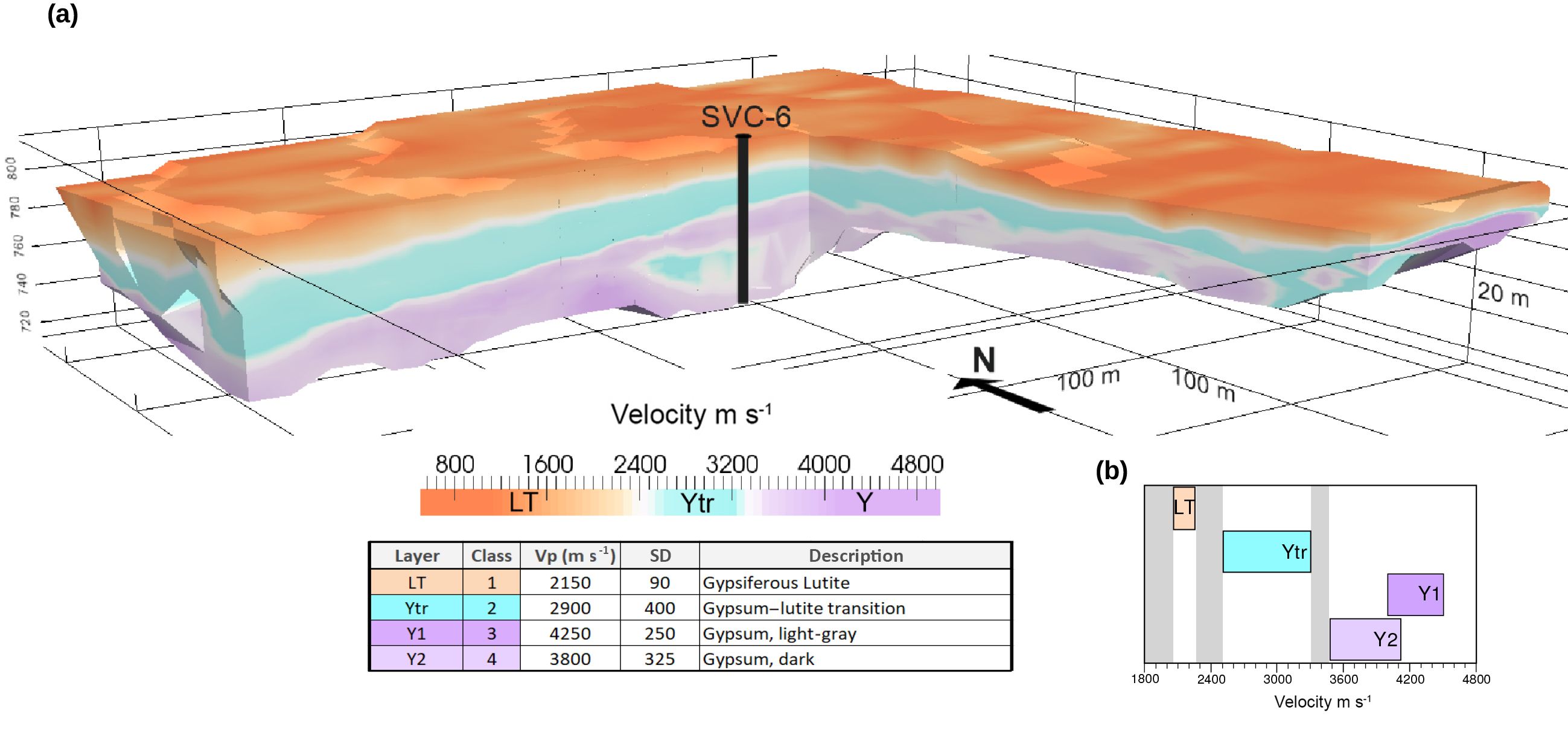
This section will expose participants to the latest investigation techniques in the following areas:

  1. Geotechnical investigations of existing dams
  2. Concrete investigations and testing
  3. Geophysical Techniques for
  4. Leak path detection
  5. Internal Erosion
  6. Identification of zone of water accumulation
  7. Cavity/ sinkhole
  8. Concrete/ masonry degradation (weak zones)
  9. Residual density determination
  10. Stilling basin inspection
  11. Use of Temperature and strain sensing for dams
  12. Latest Developments including Optical Fibre Sensors
  13. Geophysical Investigation techniques
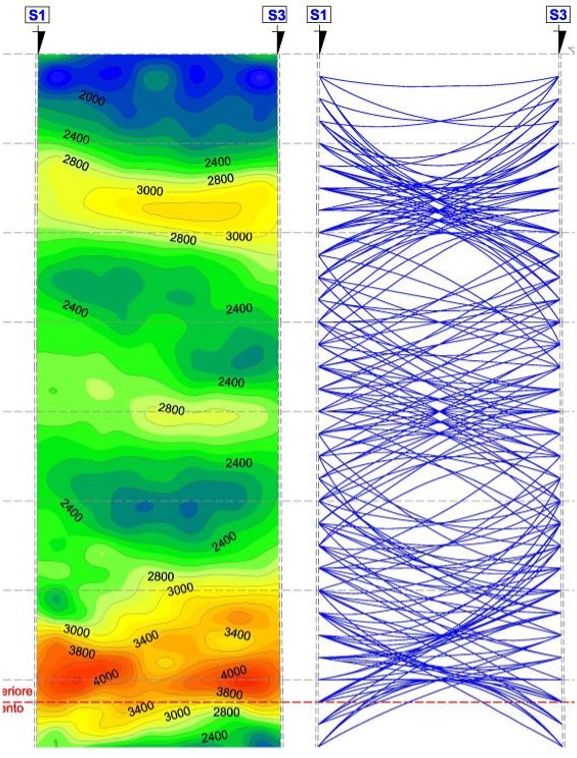
  14. Seismic/ Sonic Tomography
  15. Electrical Resistivity Imaging/ Tomography
  16. Multi-Channel Analysis of Surface Waves (MASW)
  17. Seismic Refraction Tomography
  18. Streaming Potential
  19. Ground Penetrating Radar

Curriculum

1 Module

Your instructor

Mr. A. B. Pandya

Ex- Secretary General, ICID & Ex- Chairman, Central Water Commission

Er. Ashwin B. Pandya is currently serving as Secretary General of the International Commission on Ir… Read more

1 verified graduates rated this program

5.0(1)

5.00 avg rating

5.0
1 Jul 2026

Verified learner

All aspects of Irrigation Engineering covered. Basics and advanced techniques well explained. Detailed study materials provided. Good platform. Very informative.

Leave a review

Share your experience

Tell others about your experience with Dam Safety, Surveillance & Asset Integrity.

Please log in to leave a review.

Common questions

Frequently asked questions

No. The program builds from first principles. A civil or geotechnical engineering background is helpful but not required.

Related programs